
 See My Latest Article on HelloNation
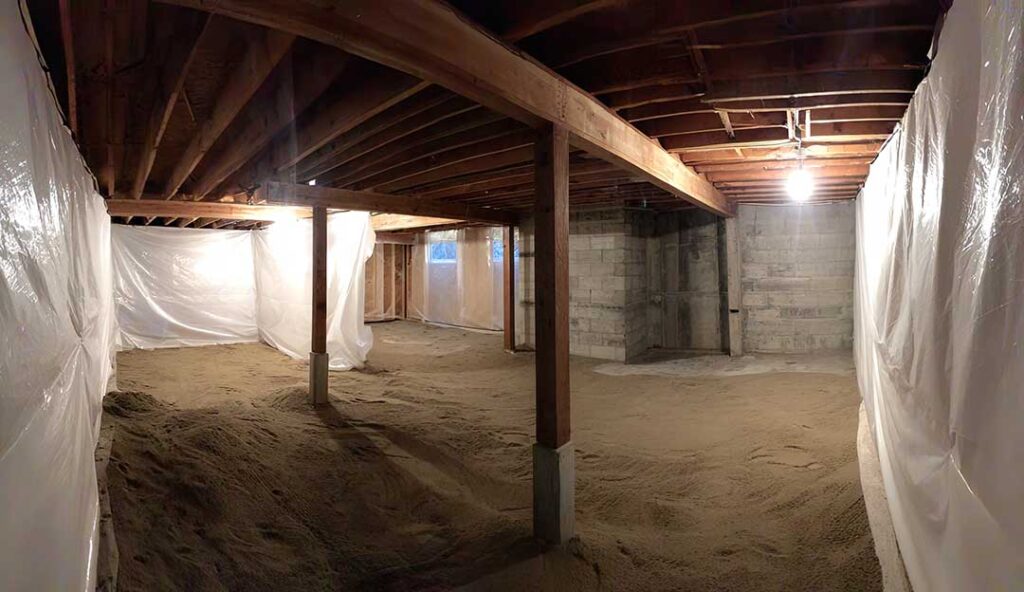
Living in Medford, NJ, you're no stranger to the unpredictable weather swings—from summer thunderstorm deluges to the heavy rains of early spring. If you’ve ever walked downstairs after a big rainstorm only to find your basement covered in water, you know how overwhelming and stressful it can feel, especially in a community that values its finished basements as family rooms, home gyms, or storage for prized possessions. Here’s how to take control and minimize the damage when your basement floods after heavy rain.
Immediate Steps to Take When Your Basement Floods
- Ensure Your Safety First
- Never enter a flooded basement until you are sure it’s safe. Standing water can conceal electrical hazards.
- Turn off the power—if you can do it safely—from the main circuit breaker. If you’re unsure, call an electrician.
- Stop the Water at Its Source
- Inspect if the water is coming in through a specific wall crack, window well, or sump pump failure.
- If possible, address the source, such as closing doors, blocking water with towels, or fixing a detached downspout outside.
- Remove Water Safely
- For minor flooding (an inch or less), you might be able to use towels, mops, or a wet/dry vacuum.
- For deeper water, a sump pump—or hiring professionals—may be necessary.
How Medford Homeowners Can Minimize Damage
Medford’s basements are often finished spaces, so it’s important to act fast:
- Move Belongings to Higher Ground
- Relocate furniture, electronics, and keepsakes to upstairs rooms or raised platforms.
- Ventilate the Space
- Use fans and dehumidifiers as soon as it’s safe. Open windows if humidity outside is lower than inside.
- Medford’s spring and fall climate usually offers good air circulation opportunities.
- Dry Out Carpets, Walls, and Floors
- Peel back carpeting and discard pads underneath—these rarely dry out completely and become mold risks.
- Thoroughly dry and disinfect all surfaces.
- Consider professional drying for finished basements or areas with persistent moisture.
Prevent Mold Growth After a Basement Flood
Basements in the Medford area are susceptible to mold, particularly when local humidity levels spike. Mold can start within 24-48 hours after water exposure. Key steps include:
- Remove Wet Materials
- Bag and dispose of waterlogged items that are not salvageable.
- Pay special attention to drywall, insulation, and baseboards, which are difficult to dry completely.
- Use Mold Inhibitors
- After cleaning, apply a mold inhibitor to all affected surfaces.
- Consider eco-friendly options commonly available in South Jersey hardware stores.
- Monitor Humidity
- Keep a hygrometer in the basement; Medford’s ideal basement humidity is 40-50%.
- Run a dehumidifier continuously until the area is fully dry.
Contacting Your Insurance and Documenting Damage
- Document Everything
- Take photos and videos of the flooding and any damage before you start cleaning up.
- Keep receipts for cleanup costs and any replacements for insurance purposes.
- Contact Your Insurance Agent
- Review your homeowners insurance; many standard policies exclude flooding from heavy rain unless you have added coverage or a sump pump rider.
- Local Medford insurance brokers may help you navigate the claims process, providing guidance specific to typical South Jersey storm-related incidents.
Local Considerations: Medford’s Unique Basement Challenges
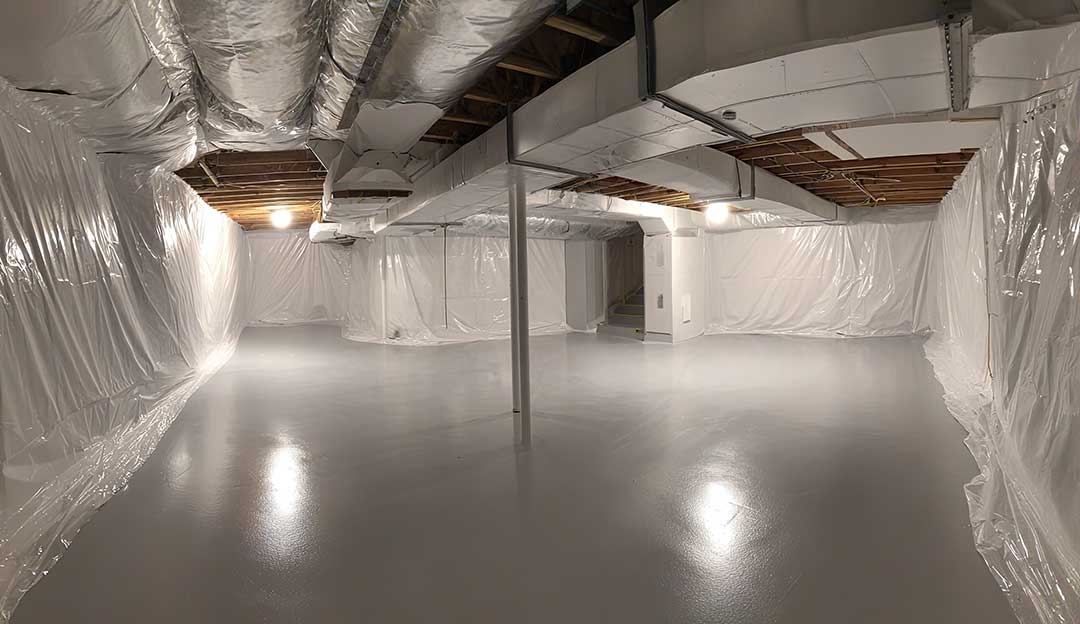
Residents here enjoy the wooded landscape and rolling hills, but that can come with unique water flow patterns. Common issues in Medford include:
- High Water Tables and Seasonal Flooding
- Heavy rains combined with saturated soils can lead to rapid basement flooding.
- Older Construction
- Medford has many charming, historic homes that may have less sophisticated waterproofing systems.
- Frequent Sump Pump Usage
- Power outages during storms are not uncommon. Backup sump pumps and generators are worth considering for peace of mind.
How to Prevent Future Flooding in Medford, NJ
Once your basement is recovered, it’s time to invest in long-term solutions to avoid repeat incidents:
- Regularly Clean Gutters and Downspouts
- Channeling rainwater at least six feet from your home is essential.
- Inspect Foundation and Seal Cracks
- Hire a local waterproofing expert to seal any visible cracks and inspect for weak points.
- Install or Upgrade Your Sump Pump System
- Consider battery or water-powered backup systems—a wise investment, especially given Medford’s history of severe storms.
- Landscape Grading
- Ensure soil slopes away from your home. This is especially important in wooded, sloped Medford neighborhoods.
When To Call a Basement Waterproofing Professional
Sometimes, the damage or persistent leaks are just too much for DIY methods. If you notice any of the following, it may be time to bring in a Medford basement waterproofing expert:
- Recurrent moisture or puddles after minor rainstorms.
- Visible cracks or bowing in basement walls.
- Persistent musty odors despite cleanup efforts.
- Concerns about future storms or a history of repeated flooding.
A local specialist can assess your basement and recommend tailored solutions to keep your South Jersey home dry and your mind at ease.
Final Thoughts
Flooded basements are always stressful, and Medford’s unpredictable seasonal storms can make it feel as though you’re always one step away from another incident. Take prompt action, document everything for insurance, and invest in proven waterproofing solutions to give yourself lasting peace of mind. With a little planning and the right help, you can protect your Medford, NJ, home—and everything in it—from the next round of heavy rain.