
 See My Latest Article on HelloNation
Are Basement Leaks Really Caused by Heavy Rain Alone?
Most leaks in basements are connected to more than just heavy rainfall. While strong storms can trigger noticeable water entry, the underlying causes often relate to soil conditions, the age of construction, grading, foundation cracks, or clogged gutters around local homes. Medford’s climate, with periodic heavy rains and snow melts, can reveal pre-existing weaknesses—but these problems usually build up for months or even years.
Many local residents notice dampness after big storms and assume the weather is solely to blame. In reality, water often takes advantage of tiny foundation flaws or pressure from wet soil. Protecting a home goes beyond waiting for dry weather; it often involves addressing smaller issues before the next big storm arrives.
Does New Construction Mean No Risk of Basement Leaks?
Even newer homes in Medford are not immune from basement water intrusion. Many assume modern building codes fully prevent moisture entry, but shifting soils, imperfect backfill, landscaping changes, and settling can create new vulnerabilities over time.
Local developments sometimes use fill dirt that settles differently or install landscape features that alter drainage. Small cracks, poor window wells, or improper slope away from the foundation can lead to problems—even in houses only a few years old. Periodic checks for signs of moisture, especially after the first few seasonal cycles, offer peace of mind for both new and longtime homeowners.
Can't You Fix Basement Leaks with Just Waterproof Paint?
Waterproof coatings may seem like a quick solution, but paint alone rarely solves the underlying problem. While these products can hide stains and slow surface dampness, they do not address exterior water pressure, drainage issues, or cracks behind the walls. In Medford’s climate, with heavy spring rains and freeze-thaw cycles, paint or sealant may only mask symptoms for a short time.
Area homeowners sometimes spend time and money on repeated painting with little improvement, only to later discover water is still seeping through the concrete or along the floor. Effective solutions usually start with identifying where the water is entering—such as wall cracks, floor joints, or around utility lines—and addressing the root cause, rather than just covering it up.
Are Basement Leaks Always Easy to Spot?
Many leaks are subtle at first and may go unnoticed until stains, mold, or odors develop. Common signs can include:
- Peeling paint or efflorescence (white chalky deposits on walls)
- Musty smells after wet weather
- Rusty metal near the foundation
- Persistent dampness in corners or along baseboards
In Medford, where basements sometimes double as family rooms or storage, leaks may be hidden by carpeting, stored items, or finished walls. Checking less-used areas and unfinished utility spaces, especially during or after downpours, can reveal problems before they worsen.
Is a Small Leak Harmless If It Only Happens Occasionally?
Even minor, periodic leaks can lead to bigger issues over time. Occasional damp spots, puddles, or musty smells signal underlying moisture imbalances. In the local area, where homes experience varying moisture throughout the year, these intermittent leaks may gradually damage insulation, promote mold growth, or weaken concrete.
Ignoring these "once in a while" leaks risks costly repairs down the road, especially if the problem worsens or leads to hidden mold or wood rot. Taking small steps early—such as improving drainage, repairing cracks, or upgrading sump pumps—can save considerable frustration for area households.
Is It True That All Basements Leak Eventually?
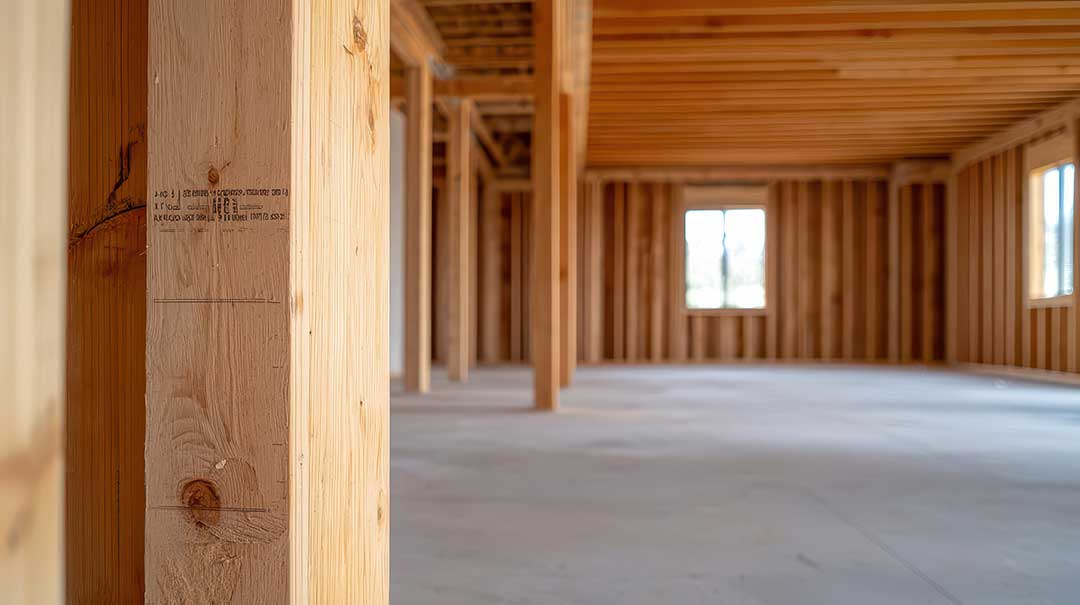
While many basements face moisture issues at some point, leaks are not inevitable. Homeowners in Medford have successfully prevented water problems for decades with simple routine maintenance:
- Cleaning gutters and extending downspouts
- Making sure soil slopes away from the foundation
- Sealing visible cracks promptly
- Checking window wells and drains
Many properties have dry basements for generations because these basics were never neglected. Persistent leaks often result from overlooked, compounded issues rather than destiny or bad luck. Knowledge, vigilance, and a bit of proactive care make a lasting difference.
Does Insurance Always Cover Basement Water Damage?
Home insurance policies vary widely, and most basic plans specifically exclude coverage for seepage or groundwater entry. While sudden pipe bursts are often insured, gradual foundation leaks or water entering after heavy rain are usually not. Medford homeowners should review their policy documents and ask their insurer about coverage details.
Flood insurance is a separate product, and not every house in the city qualifies or needs it. Residents may want to check if basement moisture, sump pump failure, or mold damage are covered, especially if the basement is finished or used for valuable storage.
Is Mold in the Basement Just an Aesthetic Concern?
Mold from leaks is more than just a cosmetic issue—it can impact air quality and trigger health symptoms, especially for sensitive individuals. Unseen moisture trapped under carpets or behind finished walls can allow mold to spread quickly. Because Medford experiences humidity swings and frequent seasonal rains, even small leaks can contribute to persistent mold issues.
Basement mold should not be ignored, particularly if it keeps returning or appears black, green, or fuzzy. Addressing both the leak and the residual moisture is key for safe, healthy living spaces.