
 See My Latest Article on HelloNation
Can a Finished Basement Be Waterproofed Without Removing Walls?
Yes—a finished basement can be improved for moisture resistance without tearing down finished drywall or paneling. Many area homes in Medford, NJ deal with damp or musty lower levels thanks to high groundwater, older foundations, and clay soils that trap moisture. Most waterproofing advice focuses on major renovations, but it’s often possible to reduce water entry and control humidity with targeted exterior, interior, and maintenance-based approaches.
What Are Common Signs of Basement Moisture in Medford, NJ?
Many local homeowners first notice:
- Musty odors or a damp smell
- Spotty mold growth, particularly at wall bases or in corners
- Bubbling or peeling paint near lower walls
- Rusting on appliances or storage shelving
- Slight warp or lifting at floor level
Recognizing these early can help prevent larger issues without need for major demolition.
What Causes Moisture When Basement Walls Can’t be Exposed?
In finished basements, water entry is most often linked to external conditions and surface moisture migration, since leaks behind finished walls are hidden. Common sources include:
- Poor exterior drainage – gutters depositing water by foundation, short downspouts, or soil sloping toward the house
- High local water table or seasonal stormwater pooling
- Condensation, especially on cool wall surfaces
- Small cracks in slab floors or near window wells
Addressing these from the outside or through interior air management makes improvement possible without wall removal.
Which Exterior Steps Make a Difference Without Interior Demo?
Start by addressing what you can outside, which is especially effective in the clay-heavy soils common to older parts of Medford.
- Clean gutters regularly—leaf debris can quickly cause overflows, driving water right to the foundation
- Extend downspouts four to six feet from the house
- Re-grade soil to slope away from basement walls; a 5% grade (about six inches drop per ten feet) pushes water away
- Check for low spots where water pools after heavy rain and fill or regrade as needed
- Repair driveway or walkway cracks adjoining the house to reduce runoff toward the basement
Each of these projects typically requires no alterations to finished interior walls and can reduce basement dampness significantly.
Can Interior Solutions Help Without Wall Removal?
Yes—interior humidity and minor seepage are often managed without wall demolition:
- Use a powerful, properly sized dehumidifier year-round, especially in the humid months typical of Medford summers. Place it centrally and empty its reservoir regularly; models with drain-hose adapters are helpful for ongoing drying.
- Ensure basement windows close tightly; install weather stripping or window well covers to prevent water leaks or humid air inflow.
- Add moisture-absorbing materials like silica gel or calcium chloride in discrete containers behind furniture or inside closets.
- If peeling paint or stains appear low on walls, carefully cut away base trim and drill small inspection holes into the drywall to check for trapped water—this localizes repairs if needed, avoiding full wall removal.
How Can Floor and Plumbing Checks Prevent Moisture Problems?
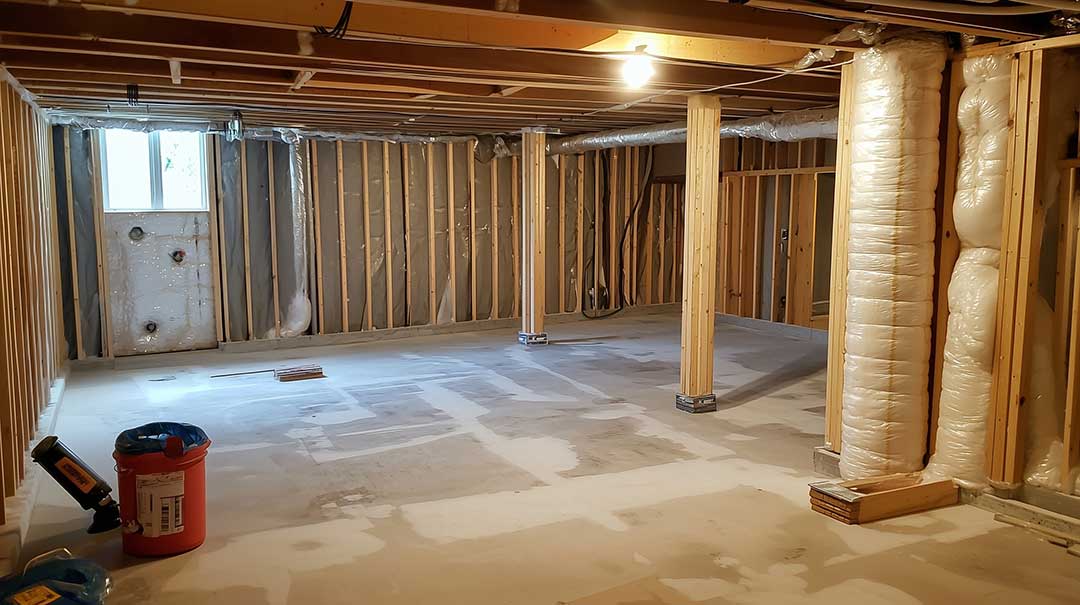
Finished basements sometimes hide slow leaks. Medford homes, especially those built in the mid-twentieth century, may have aging floor drains or cast iron pipes that can drip unnoticed:
- Inspect visible plumbing for small leaks and promptly repair or tighten fittings
- Keep floor drain grates free of lint, paint chips, or debris
- Add water alarms near sump pumps or hot water heaters to detect out-of-sight leaks quickly
Small measures like these add protections in spaces where walls can't be easily opened for inspection.
Are Waterproofing Paints and Sealers Useful if Walls Are Already Finished?
Waterproofing paints are less effective if only applied to finished, painted surfaces rather than the underlying foundation material. However, they may help in minor situations:
- If a finished wall’s surface gets damp after storms, briefly remove only the baseboard to check the area behind it. If the drywall is dry and intact, reattach the baseboard.
- For concrete floors, specialized waterproof coatings can help slow moisture vapor, but first ensure the surface is clean and dry.
- Avoid fully sealing any area with active mold, as this may trap moisture and worsen hidden damage.
Can Routine Systems Maintenance Reduce Future Moisture Risks?
Local residents often overlook sump pump testing and HVAC checks:
- Test sump pumps seasonally, especially before heavy spring rains. Pour water into the sump pit to confirm the pump activates and discharges outside.
- Make sure the basement air conditioning or heat runs several hours daily during the muggy summer months to limit humidity.
- Clean or replace furnace and dehumidifier filters as recommended to keep air moving efficiently and remove excess moisture.
What Should Residents Avoid to Prevent Making Problems Worse?
Attempting to caulk over visible wet spots, ignoring musty odors, or running humidifiers in a moist basement can all increase issues behind finished walls. Quick fixes that trap water are rarely effective; instead, focus on air circulation, safe moisture removal, and ongoing monitoring.
Occasional, careful inspection—especially after storms or snowmelt—reduces the need for costly future projects and supports healthier living spaces throughout Medford.