

 See My Latest Article on HelloNation

What Changes Signal That a Basement Waterproofing System Needs Attention?
Unusual signs like recurring dampness, mold growth, or stronger musty odors often point to issues in an aging waterproofing system. Residents in Medford, NJ are used to variable weather, from heavy spring rains to humid summers. Over years, even a good system can lose effectiveness as materials deteriorate or conditions change around the home.
Look for clear changes: new water stains, pooling or wet spots after storms, patches of white mineral deposits (efflorescence), or a persistent earthy smell. These almost always indicate water management problems.
Are Small Cracks or Water Marks Normal?
Hairline cracks and small water marks may seem harmless, but they can signal early failure of older systems. Many Medford basements, especially in historic neighborhoods or wooded sections, develop surface cracks from soil movement, tree roots, or freeze-thaw cycles common to this area.
Notice if:
- Cracks grow over time, become wider, or appear alongside bowing or shifting walls.
- Staining reappears in the same spot after cleaning or painting.
- Water marks migrate upward, suggesting moisture is seeping higher into masonry.
Homeowners often overlook these changes, assuming they're just part of aging. However, repeated signs almost always warrant a deeper look.
Why Does Humidity Suddenly Hang in the Air?
A sudden or persistent rise in basement humidity—beyond what a small dehumidifier can control—may be the first sign a waterproofing system is underperforming. In Medford, summer humidity can last for weeks, making basements particularly vulnerable.
Common causes include:
- Clogged or silted perimeter drains unable to direct water away.
- Sump pumps losing power or becoming overwhelmed by seasonal rainfall.
- Hidden leaks in old vapor barriers or weak foundation coatings.
Residents sometimes try to manage with extra fans or portable units, but consistent high humidity usually signals water is entering faster than the system can handle.
What about Sump Pumps and Mechanical Parts?
Mechanical elements like sump pumps and backup alarms need occasional checks. Local households sometimes discover equipment failures only after a major storm exposes the gap.
Key indicators include:
- Pump cycles more frequently or runs almost constantly.
- Backup pumps fail to engage during extreme weather.
- Water stays pooled at the pump pit or drains slowly.
- Dampness develops near electrical outlets or wiring.
These problems sometimes arise when power outages are frequent, battery systems aren't regularly tested, or equipment hasn't been serviced in years.
How Can Foul Smells Point to Hidden Problems?
Besides musty odors from mold, sharp or chemical smells from below-grade rooms can mean trouble. In damp Medford climates, bacteria and mildew thrive, and odors seep into living space.
Watch for smells that:
- Grow stronger after storms or snowmelt.
- Persist after thorough cleaning or dehumidifying.
- Accompany visible black, grey, or brown staining on walls.
Persistent odors combined with recurring spots are a red flag, usually indicating water is getting past your original moisture barrier or through cracks too small to see.
Are Older Basements at Higher Risk?
Many homes in Medford feature basements built before modern waterproofing standards. Original systems may have relied on thin coatings or minimal drainage, making them less resilient over decades.
Homes built before the 1980s are more likely to show:
- Deteriorated clay or concrete drain tiles.
- Outdated or missing sump systems.
- Patch repairs that no longer hold up to seasonal pressures.
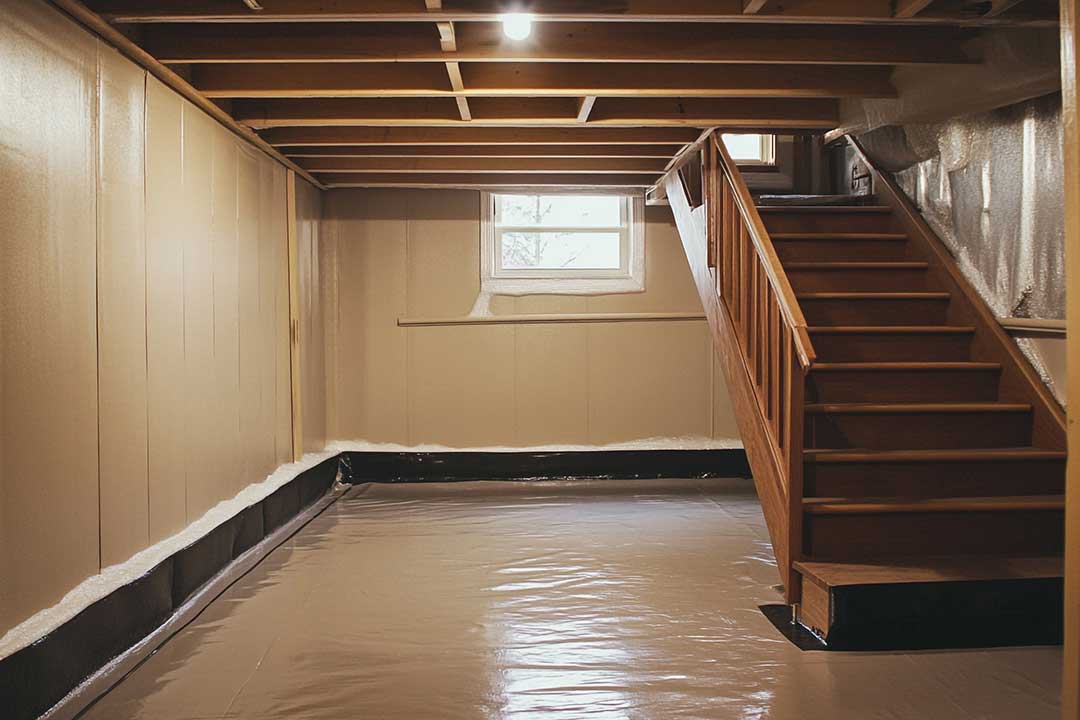
Renovations or landscaping changes around a house can also shift water patterns, adding stress to old drain networks that weren't designed for modern runoff.
Is Standing Water the Only Warning Sign?
Surprisingly, not all failures involve obvious puddles. Moisture can linger as wall dampness, creeping stains on baseboards, or slow damage to stored items.
Less-dramatic but important signs include:
- Paint bubbling or blistering.
- Warped wood, crumbling cardboard, or a gritty film on floors.
- Floor coverings that feel damp even in dry stretches.
People sometimes ignore these quieter symptoms until more extensive repairs are needed.
What Seasonal Factors Play a Role?
In Medford, spring thaw and late summer storms are prime times for water control systems to show weaknesses. Basement systems that work well for years can be pushed over their limits by unusually wet seasons.
Watch for increased warning signs:
- Water incursion after a winter freeze-thaw cycle loosens soil.
- Inflow at basement windows or stairwells during wind-driven rain.
- Foundation staining that worsens after heavy downpours.
If basement moisture spikes after certain weather, it's a good cue that aging protections can no longer cope with Medford's climate swings.
What Maintenance Mistakes Can Lead to Early Failure?
Residents sometimes overlook annual maintenance steps, assuming the original system is still working as intended. These oversights include:
- Failing to test sump pumps at least twice a year.
- Letting gutter downspouts discharge too close to the house.
- Ignoring small cracks that slowly worsen.
Regular checks, keeping drainage lines clear, and managing surface water around the foundation all help extend system life.
Updated systems may last for decades, but aging ones—especially those showing repeated symptoms—are worth reassessing to keep basements dry year-round.