

 See My Latest Article on HelloNation
Why Do Sump Pumps Fail?
Sump pumps in Medford, NJ homes most often fail due to mechanical issues, power interruptions, clogs, or improper installation. Even with reliable equipment, several factors unique to the local area can put extra stress on these systems—especially during spring rains or surprise summer storms.
Mechanical wear, debris jams from fine silty soil, and overwhelmed pumps during periods of heavy rainfall are common culprits. Some households also find out their pumps stopped working only after water enters the basement, by which point prevention is no longer possible.
Frequent Causes of Failure
- Power Outages: Thunderstorms and nor’easters sometimes knock out electricity; most sump pumps cannot operate without a backup power source.
- Float Switch Problems: If the float gets stuck or misaligned by shifting sediment or loose wiring, the pump may not turn on—or might run nonstop, burning out the motor.
- Clogged Intake or Discharge Lines: Accumulated mud, leaves, or even ice in exterior discharge pipes can block water flow, especially in yards with minimal grading.
- Aging Components: Over time, motor parts and switches become less reliable, especially if rarely tested or maintained.
- Improper Sizing: Pumps that are too small for the home’s waterproofing needs may struggle to keep up during peak events.
Understanding these potential failure points helps Medford families avoid surprises from unseen water intrusion during wet seasons.
How Can Homeowners in Medford Prevent Sump Pump Issues?
Routine checks and seasonal maintenance are the best ways to keep sump pumps running. Addressing small problems before heavy rain arrives is often more effective and less stressful than tackling emergencies later.
- Test Every Few Months: Pour a bucket of water into the sump pit and watch to be sure the pump turns on and drains properly.
- Inspect for Debris: Clear the pit and intake screen of stones, mud, or organic debris. Pumps in older basements or near gardens usually need more attention.
- Check the Power Source: Ensure the pump is plugged into a grounded outlet—not an extension cord—and the circuit is protected by a GFCI.
- Inspect Discharge Lines: Walk the discharge path outside and clear any blockages. During winter, ensure the line isn’t frozen or buried under snow.
- Listen for Unusual Sounds: Grinding, rattling, or banging noises often signal mechanical problems or loose valves.
- Keep the Lid Closed: Sump pits left open are more likely to collect debris and dangerous radon gases can enter the basement.
Neighborhoods with larger yards and more mature landscaping may face more leaf buildup in pits, while new subdivisions sometimes see construction debris clogging lines. Adjust your maintenance routine based on your home’s setting.
What Happens If a Sump Pump Fails During a Storm?
A sump pump failure typically results in rapid basement flooding—often with little warning. In Medford, sudden thunderstorms or snowmelt can send water into previously dry basements within hours.
Water can damage flooring, drywall, and stored items, and in some cases promote mold growth or disrupt water heaters and HVAC systems. After a failure, addressing moisture and airing out the basement should be the priority to minimize further issues.
Floods following pump failure are more common in areas with shallow groundwater tables or older homes lacking modern perimeter drainage.
Do Backup Systems Make Sense for the Area?
Given Medford’s occasional power outages and seasonal rain intensity, battery or water-powered backup pumps offer valuable peace of mind for many residents. These systems kick in if the main unit loses power or cannot keep up.
- Battery Backups: Operate during power loss but require periodic testing and replacement after several years.
- Water-Powered Backups: Use municipal water pressure and never need batteries, but do increase water bills and won’t work with private wells.
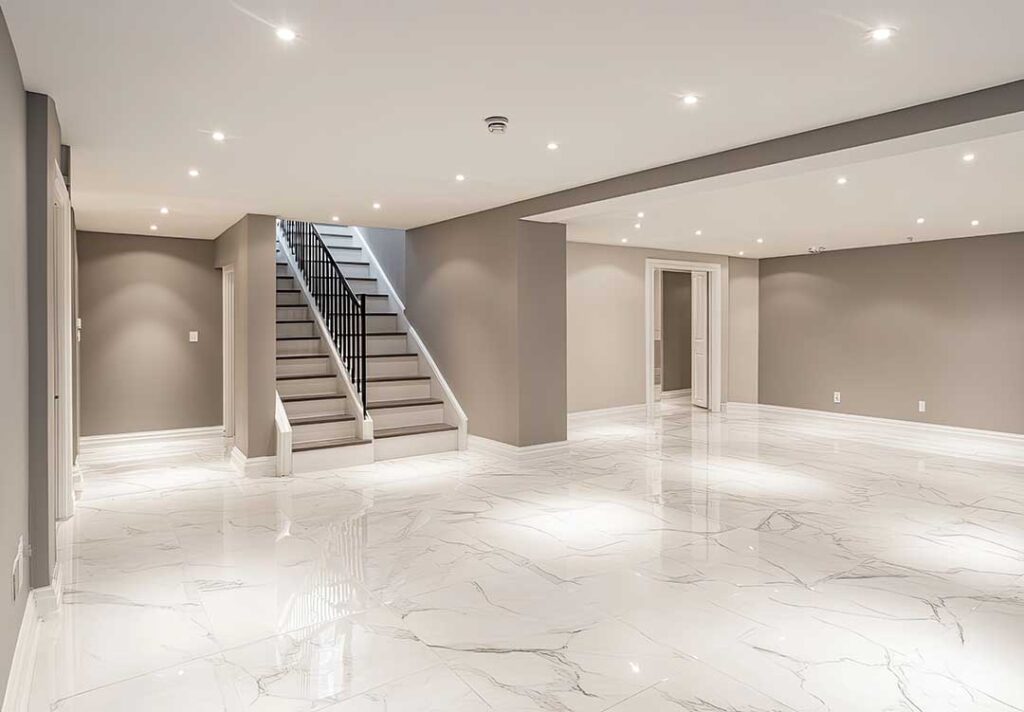
Homeowners with finished basements often opt for backup solutions to avoid costly repairs from even a single flood event. Homes near waterways or with chronic outdoor drainage issues should prioritize reliable backup options.
How Long Should a Typical Sump Pump Last?
Most quality sump pumps last 7-10 years, but heavy usage, irregular maintenance, or inferior materials can shorten this lifespan. Those in flood-prone neighborhoods or along wooded creeks might see more frequent replacements.
Even newer pumps benefit from regular checkups. Local clay soils and changing groundwater patterns make it wise to not rely solely on manufacturer estimates for pump longevity.
Replacing older units before the failure is generally safer—especially before spring thaw or hurricane season.
Common Misconceptions About Sump Pump Care
Myths regarding sump pump reliability can leave Medford families vulnerable to preventable flooding.
- “It rarely runs, so it must be fine.” Pumps can seize or fail quietly even when not in use.
- “Professional maintenance isn’t needed.” While most tasks are DIY-friendly, annual inspections—especially before storm season—can catch hidden problems.
- “Only old homes need sump pumps.” Newer homes with finished basements are also at risk due to heavy rain and shifting local weather.
A proactive approach is the best defense, regardless of a home’s age or past flooding history.