
 See My Latest Article on HelloNation

Why Does Mold Grow in Basements?
Basements offer the humid, cool, and dim conditions where mold easily thrives. In Medford, NJ, the changing seasons bring humidity and wet weather, increasing the risk of dampness below ground. Mold spores settle on moist surfaces such as concrete, wood, or carpet and spread quickly if not managed.
Homes here often have unfinished or partially finished basements, which can absorb water during heavy rains due to soil saturation, older waterproofing, or improper grading around the foundation. Understanding why mold appears is the first step toward prevention.
How Can Humidity Be Controlled Year-Round?
Controlling basement humidity is key to stopping mold. Aim to keep relative humidity below 60%, especially in the summer or during rainy spells when moisture naturally rises in the area.
Simple local tips:
- Use a dehumidifier in the basement throughout the year, not just in summer
- Check and empty the water reservoir often, or connect the dehumidifier to a drain
- Improve airflow by opening basement windows when weather is dry
- Avoid drying laundry indoors or storing wet items in the basement
Winter in Medford can sometimes cause condensation on cold surfaces—insulate pipes and walls when possible to limit this effect.
What Signs of Water Intrusion Should Residents Watch For?
Quick responses to water leaks limit future mold problems. In the city, mild flooding after heavy rain or snowmelt can seep unnoticed into basement walls or floors.
Look for:
- Damp spots or stains on concrete, drywall, or paneling
- Efflorescence (white, powdery deposits) on masonry; a clue that moisture is evaporating but leaving minerals behind
- Musty smells, especially in corners or near utility areas
- Peeling paint or bubbling wallpaper
- Pooled water after storms, especially near the foundation walls
Regularly walk through the basement after wet weather to catch these early.
What Are Some Everyday Habits That Encourage Mold?
Unexpected everyday behaviors can contribute to mold risk in local homes. Common oversights include:
- Storing cardboard boxes, fabric, or wood directly on the floor, where moisture from the ground can wick up
- Letting clutter gather against walls, which hinders airflow and traps humidity
- Overwatering basement plants or keeping damp potting soil indoors
- Using carpets or rugs on unfinished concrete, trapping moisture beneath
Changing these habits reduces potential mold growth even in damp seasons.
How Can Basement Waterproofing Help With Mold Prevention?
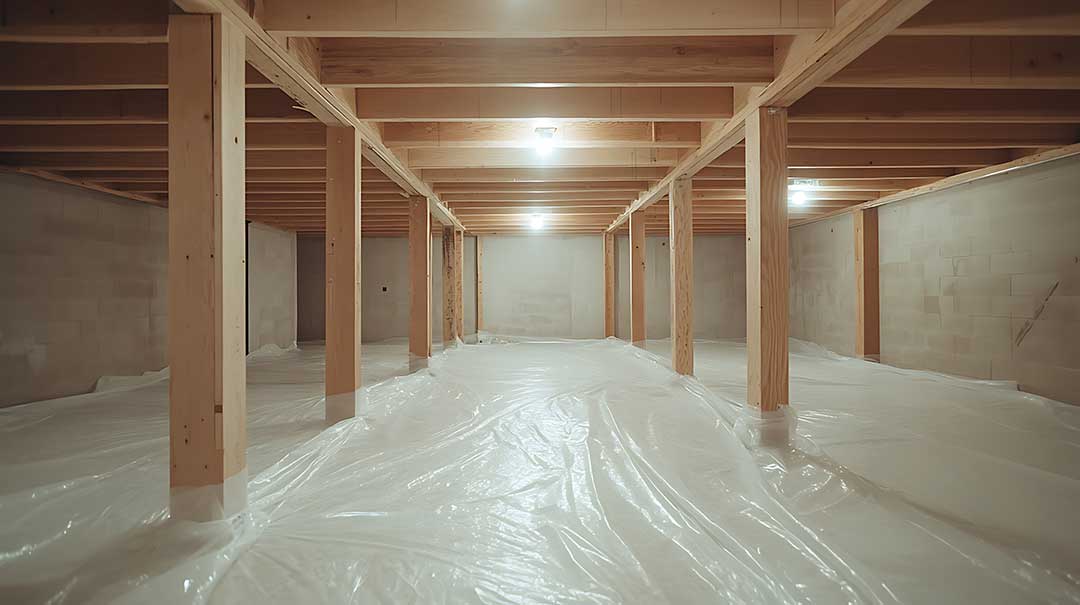
Waterproofing prevents rain and groundwater from entering the basement, lowering the odds of persistent moisture. Many Medford homes built before the 1980s may lack modern drainage or have outdated sump pumps, making water intrusion more common.
Key ideas:
- Check gutters and downspouts to ensure water flows away from the foundation
- Grade the soil so that it slopes gently away from the house
- Repair cracks in basement walls or floors promptly; even hairline cracks can let water in
- Make sure window wells are covered and free of debris
Waterproofing doesn’t eliminate humidity, but it greatly reduces the main source of chronic moisture.
Is Ventilation Useful for Mold Control?
Ventilation is a major factor in preventing mold. Fresh air circulation helps dry out damp spots and reduces humidity, but basements often lack windows or have only small vents.
Practical solutions for the community:
- Install vent fans in finished spaces
- Open any available windows during sunny, low-humidity days
- Avoid blocking return and supply vents if the basement is connected to central air
- Keep furniture several inches away from exterior walls for better airflow
Good ventilation is especially helpful in homes where multiple generations or hobbies (such as laundry or workshops) increase moisture.
Are There Local Factors That Residents Should Consider?
The region’s weather patterns bring both snowmelt and thunderstorms, making it essential for area households to prepare for sudden shifts in moisture. Homes near wooded areas or lakes may experience more shade and slower drying times.
Local soil conditions mean that even “dry” basements can experience seasonal dampness during a wet spring. Relying on natural dryness is not enough—year-round vigilance is best.
When Does Mold Become a Health or Safety Issue?
Most small, surface-level patches of mold can be cleaned with household products if caught early and managed promptly. However, extensive mold—covering large areas, hiding within wall cavities, or associated with recent flooding—may indicate larger issues needing professional remediation.
Anyone with respiratory issues, allergies, or immune sensitivities should limit time in moldy basements until cleanup is complete.