
 See My Latest Article on HelloNation
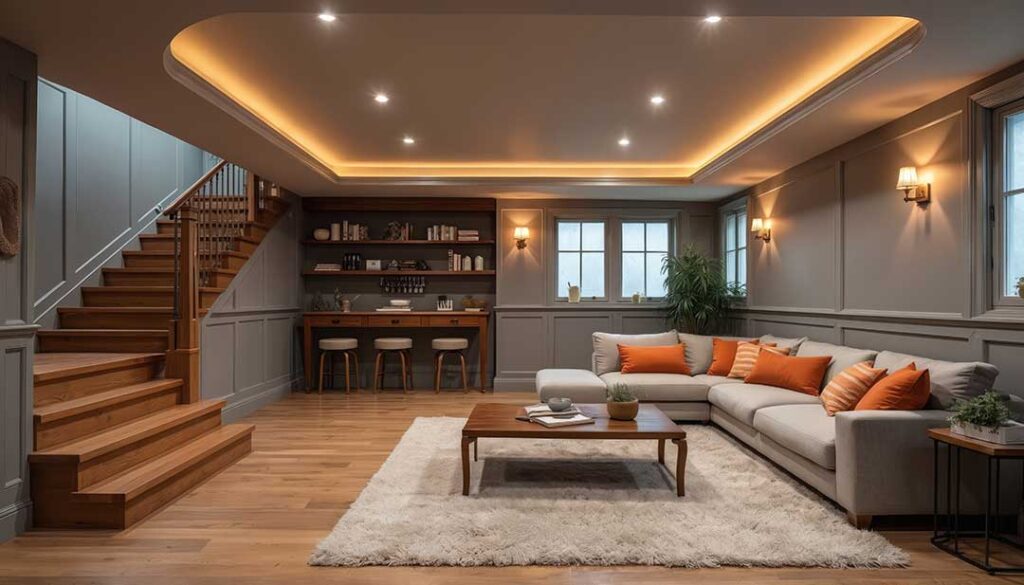
Do Basement Waterproofing Paints Stop Moisture Problems?
Waterproofing paints promise to seal basement walls and block moisture. Many Medford, NJ homeowners ask if this approach truly solves dampness or leaks. Waterproofing paints can provide a fresh, clean look and modest moisture resistance, but they have clear limits when faced with real water intrusion.
What Do Waterproofing Paints Actually Do?
These products are thick coatings brushed or rolled onto interior concrete or masonry. Their main function is to reduce water vapor migration by making the wall’s surface less porous.
- They help stop minor dampness or surface sweating from condensation
- They bond to bare concrete or masonry, not painted or sealed surfaces
- They are not designed to bridge cracks or block active leaks
Local homes, especially those with older fieldstone foundations or block walls, often have some surface-level moisture in spring and fall when outside humidity rises. Paints may help reduce the basement’s musty odor or minimize surface damp spots in these mild cases.
Can Waterproofing Paints Fix Basement Leaks?
Waterproofing paints cannot stop water coming through cracks, gaps, or under hydrostatic pressure. In Medford, seasonal groundwater is a common issue, especially after snowmelt or heavy rains. When the water table rises, liquid water can enter through:
- Wall or floor cracks
- Gaps at the wall-floor joint
- Porous masonry units
Painted coatings quickly peel, bubble, or blister if water is actively pushing its way through these weaknesses. In these cases, even several coats will eventually fail, sometimes within months.
How Long Do Waterproofing Paints Last in This Area?
The typical basement environment in Medford—with temperature swings, humidity, and the possibility of minor flooding—can cause waterproofing paints to deteriorate faster than some might expect.
- Light dampness: coatings might last 1–3 years before flaking appears
- Regular seepage: breakdown may happen in less than a year
- Leaky surfaces: paint can fail in a single wet season
Many homeowners find themselves scraping, repainting, or cleaning up flakes after strong storms or a humid summer.
Are There Risks or Drawbacks to Using Waterproofing Paints?
Applying these products won’t cause structural harm when used as directed, but there are some practical drawbacks:
- Traps water vapor inside walls, which can worsen interior mold and mildew if underlying problems remain
- Hides developing cracks or structural movement until major repairs are needed
- May lead to false confidence that waterproofing is fully addressed
Mold growth behind finished walls or insulation is a common complaint when paint is the only defense on a chronically damp basement.
Are There Better Approaches for Basements in the City?
For modest mustiness or minor wall dampness, paint can be a short-term cosmetic fix. For most Medford homes with ongoing leaks or visible water, longer-lasting solutions work better, such as:
- Improving grading and guttering outside to direct water away from the foundation
- Repairing exterior cracks with hydraulic cement or professional-grade sealants
- Installing perimeter drains or sump pumps for foundations that routinely get wet
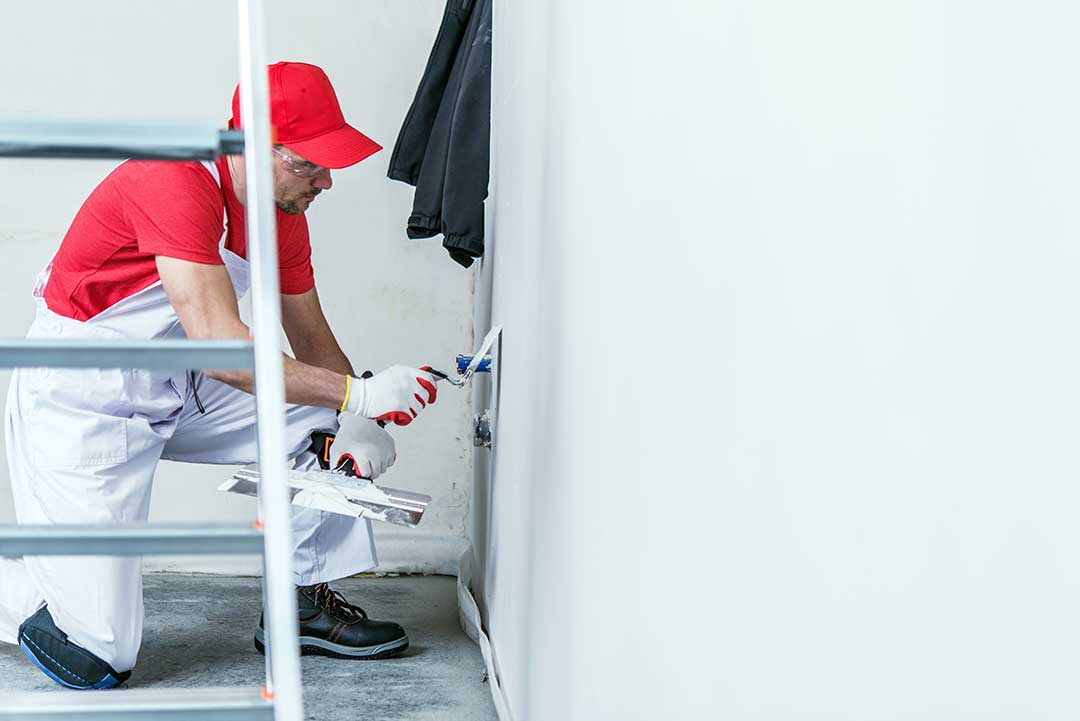
Paint is best viewed as an optional finish on otherwise dry, stable walls, not a cure for leaks or flooding.
What Should Area Households Consider Before Using Waterproofing Paints?
If the goal is to reduce surface condensation or make unfinished basement walls less dusty, waterproofing paint could be reasonable. For homes with real seepage or recurring puddles, fixing the root cause is the only way to get dry, reliable results.
Consider:
- Testing for leaks by taping clear plastic to walls — moisture behind the plastic means water is coming through, not just evaporating inside
- Inspecting gutters and grading during typical wet Medford months
- Checking local building codes if finishing the basement; vapor barriers and moisture control are often required
Common Myths and Misconceptions
Some believe that “waterproof” paint will stop any basement moisture. In reality:
- No interior coating can stop significant exterior water pressure
- Most failures result from hidden cracks, poor exterior drainage, or clogged gutters
- Coatings are not a substitute for structural wall repair
Peer-to-peer advice in the community often centers on paint for quick fixes, but experienced homeowners know more robust solutions may be necessary for a truly dry basement.
When Is it Safe to Use Basement Waterproofing Paints?
Waterproofing paint is best reserved for:
- Decorative touch-up on sound, dry foundation walls
- Reducing slight surface sweating in humid summers
- Situations where exterior drainage issues have already been addressed
For all other instances—especially if basement flooding or significant mold has occurred—households should explore root-cause repairs and moisture management instead of relying on interior paint alone.