
 See My Latest Article on HelloNation

Why Do Basements in Medford, NJ Need Special Attention Before Rainy Weather?
Medford, NJ experiences a mix of steady spring rains and the sudden downpours common in late summer and fall. Many homes in the area have basements that are partially or fully below ground level, making them prone to water intrusion when the ground becomes saturated. Local soil types, mature landscaping, and shifting weather patterns make it wise to take proactive steps before the rainy season sets in.
Basement leaks and moisture aren’t just inconvenient—they can lead to mold, structural concerns, and damaged belongings. Preparing ahead can help manage these risks.
What Are the First Signs of Trouble to Look For?
Early detection is key to preventing water issues. Some warning signs often go overlooked:
- A musty smell, especially after rain
- Discolored patches or streaks on walls and floors
- Peeling paint, bubbling drywall, or crumbling masonry
- Efflorescence—a chalky white residue on concrete or brick
- Unexplained increases in humidity or condensation on windows
If you notice any of these, the basement could already be experiencing seasonal moisture.
How Should You Inspect the Area Around Your Home?
Addressing water outside is just as vital as what happens inside.
Start with a lap around the home after a normal rain. Look for:
- Gutters and downspouts overflowing or leaking at joints
- Soil ruts or puddles forming along the foundation perimeter
- Mulch, landscaping, or debris building up against foundation walls
- Downspouts draining too close to the house
Redirect water at least four to six feet away from the foundation using extensions. Clear leaves and sediment from gutters—especially important in wooded areas that define much of the local landscape.
What Interior Checks Are Most Helpful Before Heavy Rains?
Inside, focus on points where water can find its way in:
- Inspect cracks in concrete floors and foundation walls; even hairline cracks can become leaks after heavy rain.
- Test any sump pump by pouring water into the pit until it activates.
- Open, check, and wipe window wells; ensure drains inside wells are not blocked.
- Move storage and valuables off the floor, even in seemingly dry basements.
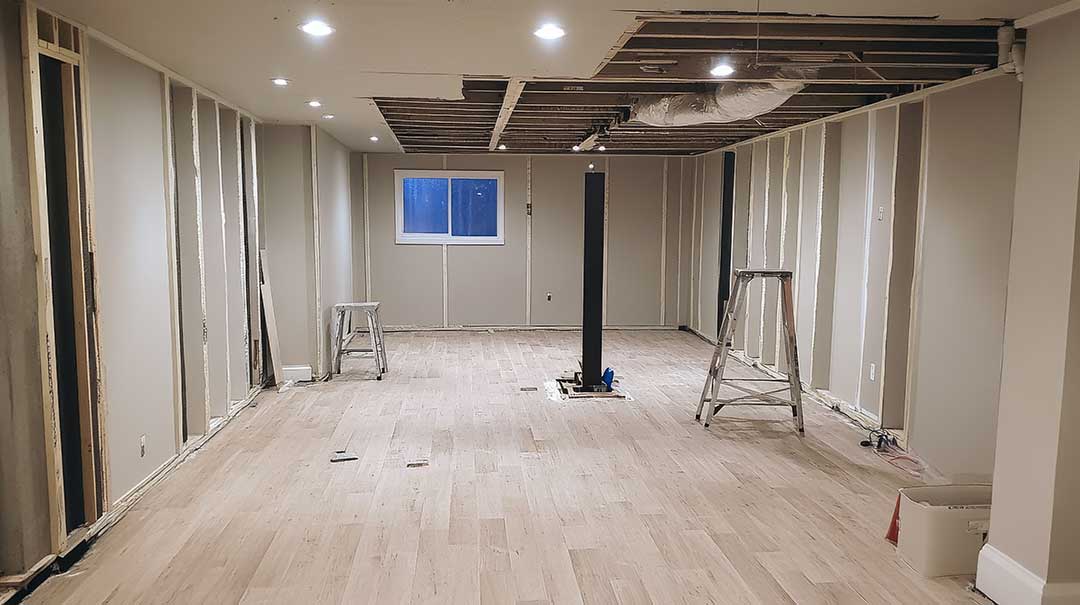
Addressing minor gaps with appropriate sealant and replacing weatherstripping on doors and windows can fend off a surprising amount of moisture.
How Can Ventilation and Dehumidification Help?
Rainy seasons often bring high humidity, whether water comes in or not.
Using a basement dehumidifier, especially in the spring and summer, helps maintain healthy moisture levels. Ideally, humidity should be kept below 60%. Proper airflow from vents or windows (when weather allows) prevents stagnant air and makes it harder for mold to establish a foothold.
If you notice persistent high humidity despite these steps, inspect for hidden leaks or consider adjusting where dehumidifiers are placed for better coverage.
What Do Medford Households Often Overlook About Drainage?
One common oversight in local homes is assuming sump pumps are infallible. Power outages and mechanical failure happen, especially during intense storms. Residents with finished or furnished basements may opt to have a backup power source—like a battery or water-powered backup pump—to avoid unexpected flooding.
Another is ignoring window wells. These low points can fill with water quickly if drains clog or if grading shifts over time. Periodic cleaning and attention to how rainwater pools around them make a difference.
Are DIY Efforts Always Sufficient, or Do Some Issues Require Outside Help?
Most routine preparations—clear gutters, move items off the floor, use dehumidifiers—are safe for any resident to handle. However, if there is visible mold, deep cracks, bulging foundation walls, or persistent standing water after rainfall, professional assessment is recommended. These can indicate more serious structural issues that simple sealing or patching will not resolve.
How Does Local Climate Impact the Timing and Focus of Preparation?
In Medford, the heaviest rainfall often arrives in late spring and early fall, but sudden storms can occur at almost any time. Plan inspections and cleaning before these high-risk periods. Area households often perform a quick check after major storms as well, since flooding can alter grading or wash debris into critical areas.
Because the local water table may rise with seasonal downpours, some basements in lower-lying neighborhoods experience temporary seepage even if everything appears in order. This makes regular vigilance especially important.