
 See My Latest Article on HelloNation
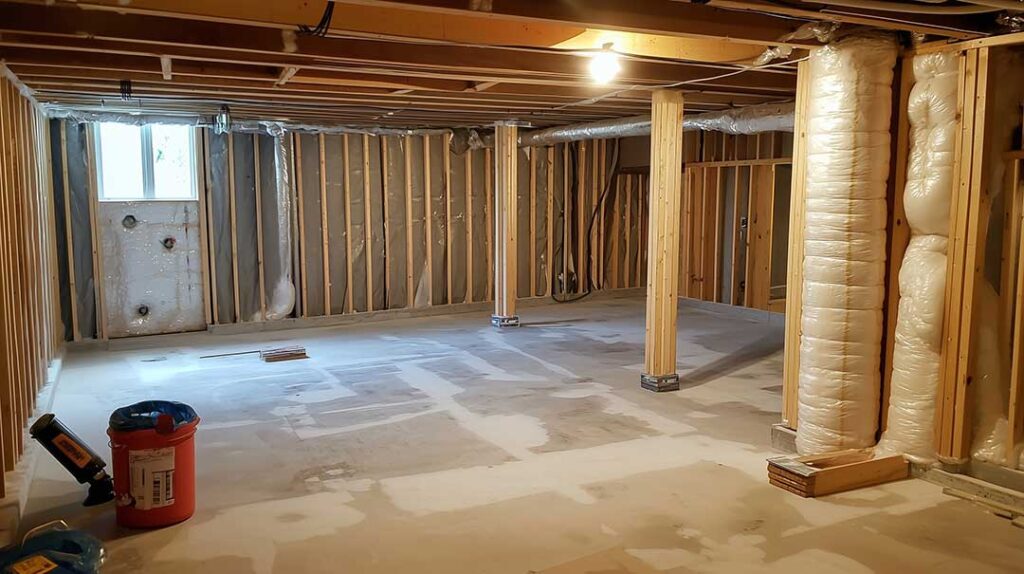
A dry basement does more than make a home more comfortable. In Medford, NJ, effective moisture control can help protect the structure, preserve usable space, reduce maintenance concerns, and give future buyers greater confidence in the condition of the property.
Basement waterproofing is not a guarantee that a home will sell for a specific premium. Its value is usually reflected through avoided damage, better upkeep, fewer warning signs, and stronger overall property condition.
Does basement waterproofing increase a home’s value?
Basement waterproofing can support home value by reducing moisture-related damage and making the lower level more functional. Buyers may not always pay a clearly itemized amount for waterproofing, but they often notice signs of water problems during inspections, showings, and routine maintenance reviews.
A protected basement may help a property by:
- Reducing the likelihood of recurring leaks and standing water
- Protecting foundation walls, floors, framing, and stored belongings
- Limiting musty odors and conditions that encourage mold growth
- Preserving finished basement areas and mechanical systems
- Making inspection findings easier to address
- Improving buyer confidence in the home’s long-term maintenance
The financial benefit is often preventive rather than dramatic. Avoiding a major repair can protect equity more reliably than expecting waterproofing alone to raise the sale price.
Why is basement moisture a concern in Medford?
Seasonal rain, snowmelt, humid summers, and changing groundwater conditions can all affect below-grade spaces. Homes in the area may also vary widely in age, foundation design, grading, drainage patterns, and basement construction.
A basement can remain dry for many years and then develop problems after:
- A period of unusually heavy rainfall
- Soil settling near the foundation
- Blocked or damaged gutters and downspouts
- Changes to nearby paving, landscaping, or drainage
- Hydrostatic pressure against foundation walls
- Aging masonry, mortar joints, or sealants
- A high water table or saturated soil conditions
Water does not always enter as a visible stream. It may appear as damp masonry, peeling paint, efflorescence, warped materials, condensation, or a persistent odor. These smaller signs can still affect the condition and perceived value of the home.
Which parts of a home can waterproofing protect?
Waterproofing can help protect both the basement and the components connected to it. The foundation is the most obvious concern, but moisture can affect many other areas over time.
Foundation walls and floors
Repeated moisture exposure can contribute to staining, deterioration of masonry, corrosion of metal components, and damage to floor coverings or wall finishes. In some cases, water pressure can worsen existing cracks or force moisture through joints between the wall and floor.
Waterproofing does not repair every structural problem. A crack caused by movement, settlement, or structural stress requires separate evaluation. Moisture control and structural repair address different risks.
Framing and finished materials
Wood framing, drywall, insulation, carpeting, and built-in storage can absorb moisture. Once damaged, these materials may need removal and replacement. Even when the damage is not immediately visible, damp materials can create odor and air-quality concerns.
Electrical and mechanical equipment
Basements commonly contain furnaces, water heaters, electrical components, pumps, and other essential systems. Keeping water away from these items can reduce the risk of corrosion, electrical hazards, and costly interruptions.
Any water near electrical equipment should be treated as a safety issue. Power should not be restored to wet equipment without appropriate evaluation.
Does waterproofing make a basement more usable?
Often, yes. A consistently dry basement is easier to use for storage, laundry, recreation, exercise, hobbies, or household systems. The value comes not only from square footage but from whether the space is dependable.
A basement that smells damp, shows water marks, or requires belongings to be stored on raised platforms may not function like a normal part of the home. Waterproofing can help restore confidence in the space, although it does not automatically make an unfinished basement equivalent to finished living area.
Any plan to finish or remodel a basement should account for moisture control first. Covering damp walls with drywall, flooring, or paneling can hide symptoms while allowing the underlying problem to continue. Finishes may later require removal if water reaches them.
What waterproofing improvements matter most to future buyers?
The most useful improvements are those that address the actual source and path of water. A visible device or recent repair is less valuable if the basement still has recurring moisture.
Important factors include:
- Proper grading that directs surface water away from the foundation
- Functional gutters and downspouts
- Reliable discharge locations for collected water
- Sealed or repaired appropriate foundation openings
- Interior or exterior drainage designed for the site
- A dependable sump system where below-grade water collection is necessary
- Backup planning for power interruptions when a sump pump is essential
- Clear records describing what work was completed and why
A waterproofing system should be understandable to a future owner. Documentation, maintenance instructions, photographs, and receipts can help distinguish a planned moisture-control system from a temporary patch.
Can waterproofing prevent all basement problems?
No. Waterproofing reduces specific moisture risks, but it cannot eliminate every cause of basement damage.
For example, it may not correct:
- Structural foundation movement
- Plumbing leaks inside the home
- Sewer or drain backups
- Poorly maintained roof drainage
- Condensation caused by warm, humid air
- Flooding that exceeds the system’s design capacity
- Improper discharge that sends water back toward the foundation
This is why identifying the source matters. Condensation on cool basement surfaces may look like seepage but requires humidity control and ventilation rather than foundation drainage alone. A plumbing leak may need a completely different repair.
How can homeowners judge whether waterproofing was effective?
Effectiveness should be measured over time and under different weather conditions. A dry basement after a mild week does not prove that a system will perform during prolonged rain or rapid snowmelt.
Useful signs include:
- No recurring puddles or damp areas after storms
- Fewer water stains and musty odors
- Stable humidity levels
- No new efflorescence or visible seepage
- A sump pump that operates properly when needed
- Dry storage areas and protected mechanical equipment
- No repeated need for temporary sealants or towels
Homeowners should inspect gutters, downspouts, sump components, and discharge areas regularly. Preventive maintenance remains necessary even when the original waterproofing work was sound.
Is basement waterproofing worth doing before selling?
It can be worthwhile when the basement has a documented moisture problem, but timing and scope matter. A seller may benefit from correcting active leaks, preserving damaged areas, and providing clear records. However, a large project completed immediately before listing may raise questions if its purpose and performance cannot be explained.
Before making a major improvement, it helps to understand:
- Where the water is entering
- Whether the issue is active or historical
- What damage has already occurred
- Whether the proposed work addresses the cause
- What maintenance the system will require
- Whether permits or inspections may apply to the work
The strongest value usually comes from sound construction and transparent documentation, not from presenting waterproofing as a guaranteed return on investment.
For homeowners in Medford, keeping the basement dry is best viewed as part of responsible property maintenance. It helps protect the foundation, preserve usable space, limit preventable damage, and make the home’s condition easier for the next owner to understand.