
 See My Latest Article on HelloNation
What Causes Moisture in Crawl Spaces?
Crawl spaces in Medford, NJ often struggle with moisture because of several local factors. Most area homes sit above clay-rich soils that retain water, and the regional climate brings humid summers and fluctuating groundwater levels. Rainwater runoff, poor ventilation, and even plumbing leaks can allow moisture to collect under homes. This damp environment can encourage mold, wood rot, and pest activity if left unchecked.
How Does Rainwater Get Into a Crawl Space?
Rainwater can seep into crawl spaces through several paths. If the ground around a home slopes toward the foundation or downspouts discharge water too close to the house, the soil can become saturated and force water through cracks or gaps. Local experience shows that even moderate storms can overwhelm older foundations, especially when landscaping or exterior drainage is neglected. Ensuring that gutter systems are well maintained and directing water well away from the foundation helps prevent this type of water intrusion.
Is Ventilation Helpful for Crawl Spaces?
Airing out a crawl space can help control humidity, but leaving vents open in Medford’s warm, muggy summers can also allow moist air to enter and raise humidity levels inside. Instead of relying on foundation vents, many area homeowners have found that sealing crawl space vents and using vapor barriers or dehumidifiers is more effective for long-term moisture control. Properly managed airflow from mechanical ventilation or a purpose-built crawl space dehumidifier keeps the area dry without letting in unwanted outdoor humidity.
Why Is Ground Moisture Such a Problem?
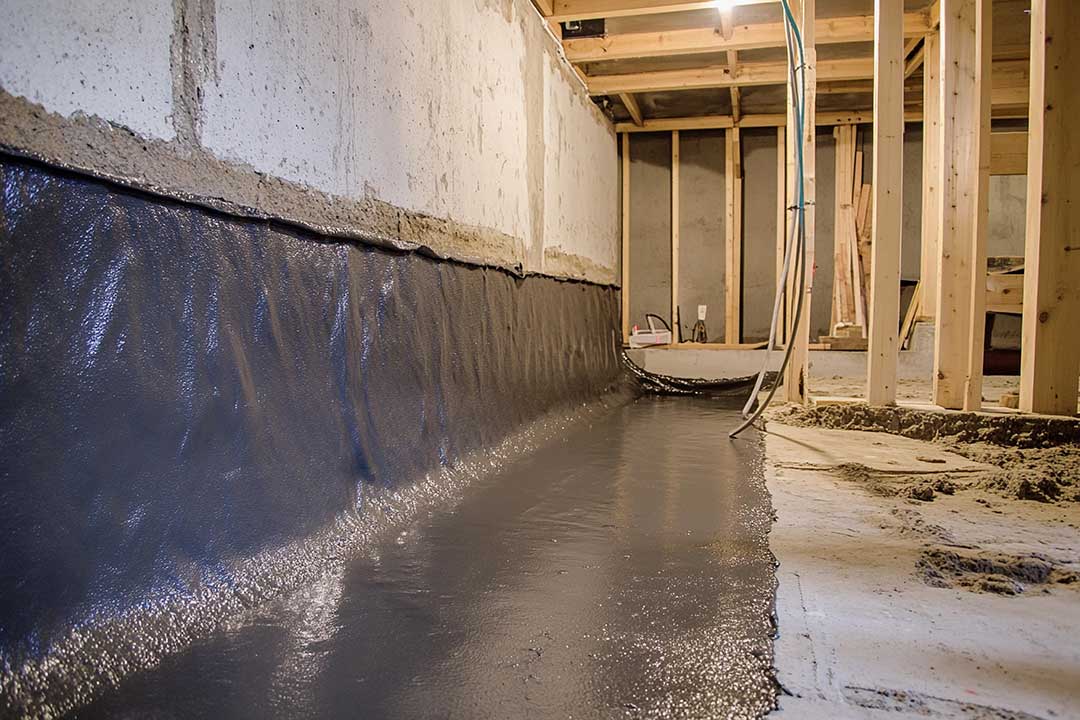
Water naturally wicks up from the soil, particularly in the heavier soils found locally. Even on dry days, moisture can evaporate from the ground and collect in the crawl space unless it’s blocked. Installing a thick, sealed plastic vapor barrier over the soil directly addresses this challenge. For best results, the material should run up the foundation walls several inches and be tightly taped at seams.
What Can Homeowners Do About Standing Water?
Occasional standing water after heavy rain is a frequent complaint in the city. Beyond addressing gutters and grading, installing a sump pump in the crawl space may be warranted where water pooling is regular. The lowest point should be identified and a pump situated there to move water outside. Area residents often add a sump pit and pump during remodeling or when tackling other major home improvements.
How Do Plumbing Leaks Affect Crawl Space Dryness?
Small, unnoticed leaks from water supply lines, drain pipes, or HVAC systems inside the crawl space can keep the area persistently damp. Routine inspection is key, especially before winter and after severe cold snaps. Watch for dripping pipes, rust on metal, or musty smells—these are all clues that a leak may be present. Catching and fixing even minor leaks early restores a dry environment and prevents more costly structural repairs.
What Role Does Insulation Play?
Crawl spaces lose and gain heat rapidly, fostering condensation when outdoor and indoor temperatures differ. Properly installed insulation along the walls—never on the floor joists alone—can limit surface condensation and temperature swings. Rigid foam board is often recommended for local conditions since it resists moisture and does not promote mold growth like traditional fiberglass batting.
Should Crawl Spaces Be Completely Sealed?
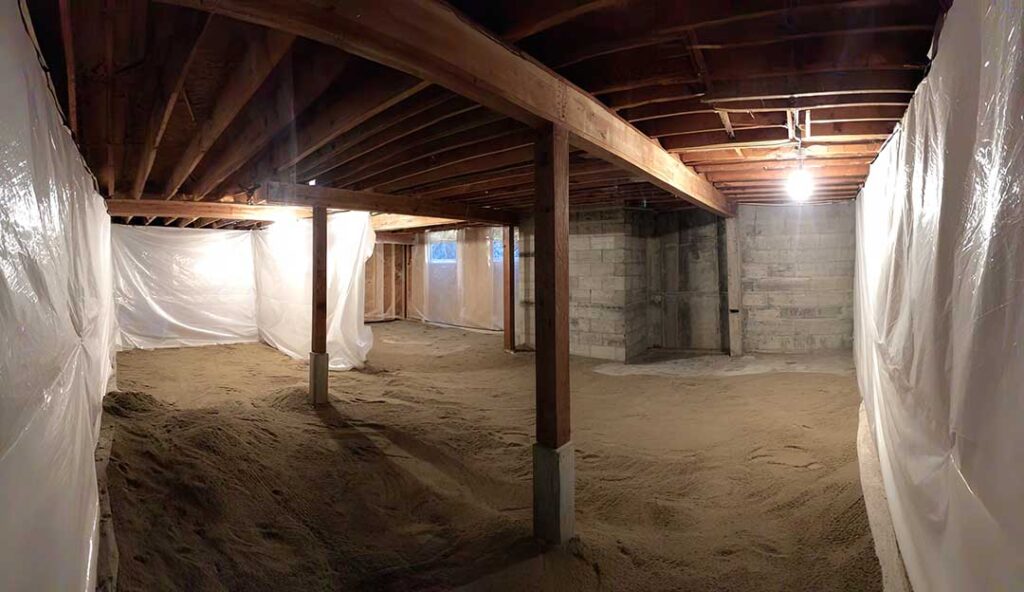
Encapsulating the entire crawl space—essentially turning it into a conditioned, sealed room beneath the home—is highly effective. This process involves sealing all vents and installing a continuous vapor barrier over the soil and walls, combined with managing humidity through dehumidification or controlled ventilation. In Medford’s humid climate, encapsulation has proven to reduce allergens, increase floor comfort, and protect the structure, but it should be paired with a plan to manage occasional water intrusion.
Are There DIY Tips for Regular Crawl Space Maintenance?
Residents often overlook these basic but impactful steps:
- Check gutters and downspouts seasonally, ensuring they direct water at least four feet away from the foundation.
- Examine the crawl space for new water stains, puddles, or debris accumulation.
- Confirm that vapor barriers remain intact and securely fastened.
- Keep landscaping a few inches away from foundation walls to avoid soil buildup.
- Monitor indoor humidity; condensation on windows can indicate excess crawl space moisture.
What Local Conditions Should Be Considered?
Medford’s mix of older and newer homes means crawl spaces vary widely—some are tall and easy to access while others are low and difficult to maneuver. Foundation styles, the water table’s height, and even nearby creeks can influence moisture risks. While spring and summer see the most moisture problems, winter snow melt can also contribute. Paying close attention to seasonal changes and updating maintenance routines accordingly can prevent dampness from getting out of hand.