
 See My Latest Article on HelloNation
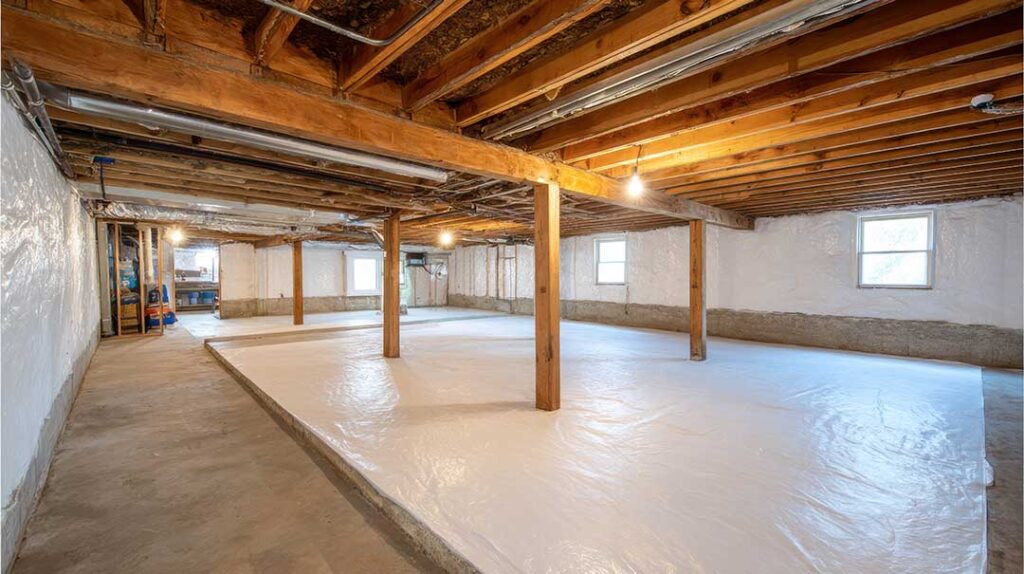
Can you waterproof a basement yourself?
Yes, some basement moisture problems can be addressed by a homeowner, but do-it-yourself work is most appropriate for minor, clearly identifiable sources of water. Simple measures such as improving exterior drainage, sealing small non-structural cracks, and maintaining a sump pump can reduce dampness and occasional seepage.
DIY work is less suitable when water enters through the floor, rises after heavy rain, appears across several walls, or is connected to foundation movement, a high water table, failed drainage, or a plumbing problem. In those situations, covering the symptom may leave the underlying cause untouched.
The first step is diagnosis, not sealing. A basement can become wet because of surface runoff, groundwater pressure, condensation, plumbing leaks, clogged gutters, poor grading, or a combination of these conditions.
Which basement waterproofing tasks are reasonable for homeowners?
Several lower-risk projects can be completed without major excavation or structural changes.
Improve surface drainage
Water should move away from the foundation rather than collect beside it. Homeowners can inspect and maintain:
- Gutters and downspouts
- Extensions that discharge water several feet away from the foundation
- Soil that slopes away from exterior walls
- Low areas where rainwater pools
- Window wells and their drains
In Medford, heavy seasonal rainfall can expose drainage weaknesses that may not be obvious during dry weather. A downspout that releases water beside the foundation may contribute to seepage even if the basement stays dry during ordinary rain.
Seal small, inactive cracks
Narrow cracks in poured concrete may sometimes be sealed with a suitable masonry or polyurethane crack product. The crack should be clean, dry, and free of signs that it is widening or shifting.
A repair is not a substitute for evaluation if the crack:
- Extends through several courses of masonry
- Is wider at one end
- Allows steady water flow
- Appears with uneven floors or sticking doors
- Has become larger over time
Do not seal an active leak before determining where the water is coming from. Water can travel through concrete and appear some distance from the original entry point.
Reduce condensation
Not every damp basement has a waterproofing failure. Warm, humid air can condense on cool foundation walls, pipes, and floors. This may cause musty odors, surface moisture, or mold-like spotting.
Helpful measures include improving air circulation, using a dehumidifier, insulating cold water pipes, and avoiding indoor clothes drying in the basement. A humidity meter can help distinguish ongoing condensation from water entering through the foundation.
Maintain the sump pump
A sump pump is a mechanical system, not a permanent guarantee against flooding. Homeowners can test the float, remove debris from the pit, check that the discharge line is open, and confirm that the discharge point does not send water back toward the foundation.
During power outages and major storms, a backup power source may be useful. The correct backup depends on the pump system, electrical setup, and local conditions.
What are the advantages of doing the work yourself?
The main benefit is control over simple maintenance and early correction. A homeowner can often address an obvious downspout or grading problem before it develops into repeated seepage.
DIY work may also provide:
- Lower material costs for minor repairs
- Faster response after a small leak
- Better awareness of how the basement behaves during storms
- Useful information about where and when water appears
- The ability to monitor a repair over time
Small improvements can be worthwhile when the problem is limited to surface water or condensation. Keeping a dated record of rainfall, water entry, humidity, and repairs can help reveal patterns.
What are the disadvantages and risks?
The biggest risk is treating the visible moisture instead of the source. Interior paint, waterproofing coatings, and patching compounds may make a wall look dry temporarily while hydrostatic pressure continues behind the surface.
Other drawbacks include:
- Hidden leaks may continue behind finished walls
- Incorrect sealing can redirect water to another area
- Interior coatings may trap moisture in masonry
- Excavation can damage utilities, landscaping, or foundation components
- Improper drainage changes can affect neighboring properties
- Electrical equipment may become dangerous around standing water
- Repeated repairs can cost more than a correct diagnosis
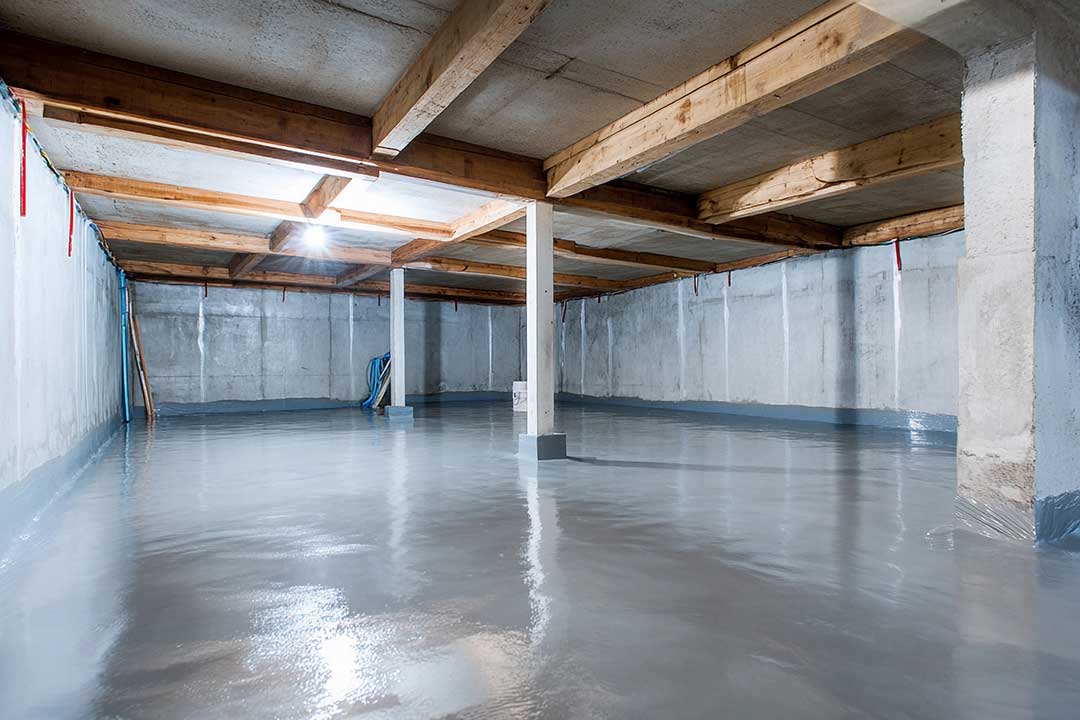
A basement wall that is damp in one location may be responding to a larger drainage pattern around the home. This is particularly relevant in established neighborhoods where grading, mature landscaping, additions, paved areas, and older drainage systems have changed over time.
When is DIY waterproofing not appropriate?
Homeowners should avoid major waterproofing work when the project involves structural uncertainty, substantial excavation, electrical hazards, sewage, or floodwater.
Extra caution is warranted when:
- Water is entering through the basement floor
- The sump pit fills quickly after rain
- Several walls leak at the same time
- Foundation walls bow, rotate, or show horizontal cracking
- The floor is heaving or sinking
- Mold covers a large area
- Water has contacted electrical outlets, appliances, or wiring
- Sewage or contaminated water is present
- Excavation would be deep or close to the foundation footing
- A basement is in a regulated flood-prone or environmentally sensitive area
Do not enter a flooded basement if electrical equipment may be energized. Turn off power only if it can be done safely from a dry location. Sewage-contaminated water requires protective measures and careful cleanup because ordinary household cleaning methods may not be adequate.
Should you waterproof from the inside or outside?
The better approach depends on the source of water. Exterior drainage work addresses water before it reaches the foundation, while interior systems manage water that has already entered or is moving beneath the slab.
Exterior work may involve excavation, foundation drainage, waterproof membranes, or repairs to buried components. It can be effective but is disruptive and may require permits or compliance with local drainage requirements.
Interior options may include crack repair, perimeter drainage, a sump system, or a vapor-control strategy. These methods can be appropriate in some homes, but an interior coating alone usually does not relieve water pressure outside the wall.
There is no universal product that waterproofs every basement. The correct method depends on the foundation type, soil, slope, drainage, water table, and construction history.
Are permits required for basement waterproofing in Medford?
Permit requirements depend on the work. Routine maintenance, such as cleaning gutters or adjusting a downspout, is generally different from excavation, foundation alterations, electrical work, plumbing changes, structural repairs, or finished-basement renovations.
Drainage changes also deserve care. Medford has local stormwater requirements intended to manage runoff and reduce flooding impacts. A project that changes grading, adds impervious surface, redirects concentrated water, or affects regulated areas may require municipal review or other approvals.
Before digging, homeowners should verify local requirements and identify underground utilities. A waterproofing project that appears simple from inside the basement may involve regulated drainage, structural, electrical, or plumbing work.
What is the most practical DIY approach?
For a minor moisture problem, begin outside and work inward:
1. Observe where water appears during and after rainfall.
2. Clean gutters and confirm that downspouts discharge away from the foundation.
3. Check grading, window wells, and areas where water pools.
4. Measure basement humidity and look for condensation.
5. Test the sump pump and inspect its discharge path.
6. Seal only small, stable cracks after identifying the likely source.
7. Monitor the basement through several rain events.
DIY waterproofing makes the most sense as careful maintenance and limited repair—not as a substitute for diagnosing persistent or hazardous water problems. A dry-looking wall is not proof that the foundation is protected, and a basement that stays dry during light rain may still have serious drainage problems during a prolonged storm.