

 See My Latest Article on HelloNation
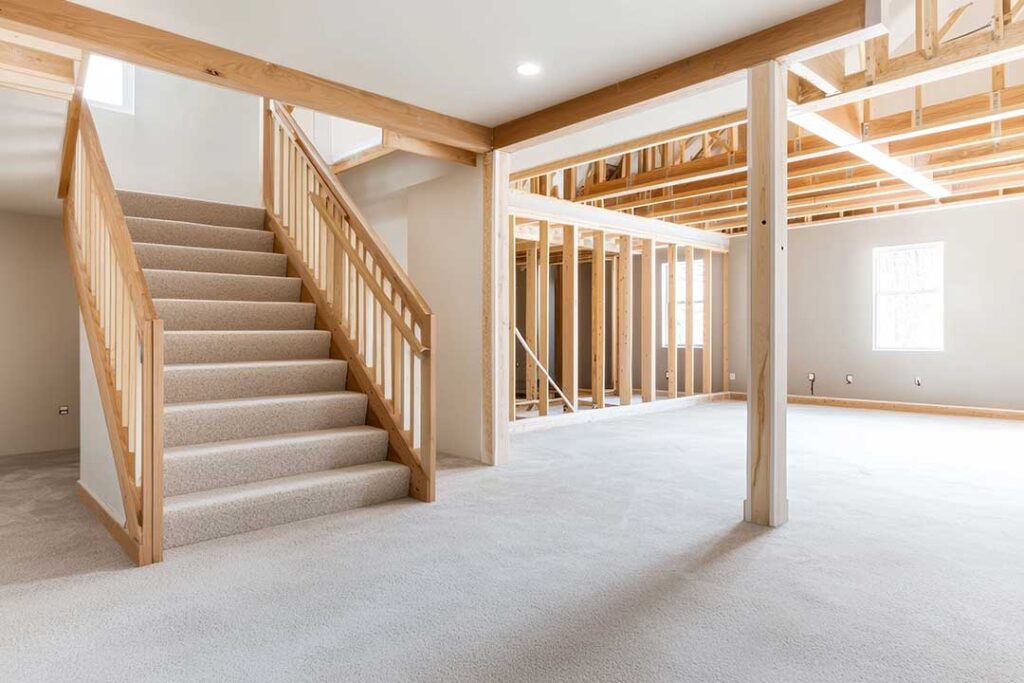
Heavy rain can affect a basement even when no water appears during the storm itself. In Medford, NJ, checking the basement after each significant storm helps identify seepage, drainage problems, sump pump issues, and early signs of moisture damage before they become harder to manage.
Why should a basement be checked after every storm?
A storm can expose weaknesses that remain unnoticed during dry weather. Water may enter through wall cracks, floor joints, window wells, foundation penetrations, or gaps around plumbing and utility lines. In some cases, the basement stays dry during rainfall but develops dampness hours later as groundwater pressure increases.
Post-storm checks are especially useful after:
- Several hours of steady rain
- Short, intense downpours
- Thunderstorms with strong wind
- Snow followed by rapid warming and rainfall
- Frozen-ground conditions followed by precipitation
- Storms that cause standing water near the foundation
The purpose is not to panic over every damp spot. It is to notice changes, document them, and determine whether the same pattern is happening repeatedly.
What should residents look for first?
Begin with the areas most likely to show early signs of water entry. A flashlight makes it easier to inspect dark corners, wall surfaces, and the area around mechanical equipment.
Look for:
- Fresh water on the floor or along the wall-to-floor joint
- Damp or discolored concrete
- Peeling paint, bubbling coatings, or loose wall coverings
- White, powdery deposits on masonry
- Musty odors that were not present before the storm
- Wet cardboard, stored fabrics, wood, or paper products
- Water around basement windows or window wells
- Drips near pipes, ductwork, or utility entrances
- Rust on metal supports, appliances, or fasteners
- New cracks or changes in existing cracks
A basement does not need to contain standing water to have a moisture problem. A cool, damp wall or recurring odor may indicate that moisture is entering or accumulating gradually.
Why can water appear after the rain stops?
Delayed seepage is common because the ground continues to absorb and move water after rainfall ends. Saturated soil can press against foundation walls, increasing hydrostatic pressure. Water may then travel through tiny openings or porous masonry.
This is why a basement check is useful both immediately after a storm and again later the same day or the following morning. A floor may look dry at first, while a wall develops a damp area several hours afterward.
Delayed moisture can also result from:
- Water collecting beside the foundation
- A clogged or overwhelmed drainage path
- A sump pump that cycles frequently
- A failed check valve or discharged pump line
- Water flowing toward the house from an uneven grade
- Snowmelt entering the soil near the foundation
Repeated timing is a valuable clue. If moisture appears after heavy rain but not during dry periods, the cause may be related to exterior drainage or groundwater conditions rather than an indoor plumbing leak.
How should the sump pump be checked?
A sump pump should be inspected after storms because heavy rainfall may cause it to run more often than usual. Confirm that the pump is operating, the pit is not blocked, and water is being discharged away from the foundation.
A basic check includes:
- Listening for unusual grinding, rattling, or repeated short cycling
- Confirming that the pump turns on as the water level rises
- Checking that the discharge pipe is connected and unobstructed
- Making sure discharged water is not flowing back toward the house
- Looking for standing water around the pit or pump
- Verifying that the backup system, if present, is ready to operate
Do not place hands near moving pump parts or reach into standing water around electrical equipment. If water is near outlets, extension cords, appliances, or the electrical panel, leave the area and use caution rather than attempting an inspection in unsafe conditions.
Which exterior areas affect basement moisture?
Basement problems often begin outside the foundation. After a storm, walk around the house only when conditions are safe and inspect whether water is being directed away from the structure.
Pay attention to:
- Soil that slopes toward the foundation
- Depressions where water remains beside the house
- Gutters overflowing during rainfall
- Downspouts that discharge too close to the foundation
- Window wells containing leaves, soil, or standing water
- Patio, walkway, or driveway areas that direct runoff toward the house
- Erosion that exposes or washes away soil near the foundation

In established neighborhoods, older grading, mature landscaping, additions, walkways, and settling soil can change how water moves over time. A drainage pattern that worked for years may become less effective after repeated storms or ground movement.
Is a small amount of water a serious problem?
A small amount of water is not always an emergency, but it should not be dismissed if it repeats. One isolated damp spot may result from condensation or a minor event. Recurring moisture suggests that water is following a consistent path.
Record the date, storm conditions, location, and approximate amount of water. Photographs can help show whether a crack, stain, or damp area is changing. A simple log may reveal patterns such as:
- Moisture only after long periods of rain
- Seepage during storms from a particular direction
- Water appearing near one window
- Dampness that occurs during snowmelt
- Odors that return whenever the basement stays closed
- Sump pump activity that increases over time
This information is more useful than relying on memory, especially when the same area is inspected across different seasons.
What should not be ignored?
Certain conditions deserve prompt attention because they may involve structural, electrical, sanitary, or indoor-air concerns.
Take extra care if there is:
- Rapidly rising water
- Water near electrical components
- A strong sewage odor or possible sewage backup
- A cracked foundation wall that appears to be widening
- Bowed or displaced walls
- Significant mold growth
- Wet insulation or wall materials that remain damp
- A failed sump pump during an active storm
- Water entering near a gas appliance or heating equipment
Do not enter a flooded basement if electrical hazards may be present. Keep children and pets away from contaminated water, open pits, damaged flooring, and unstable stored materials.
How can a routine storm check help prevent damage?
A storm check cannot prevent every basement leak, but it can shorten the time between a problem developing and being noticed. Early observations may prevent damaged belongings from remaining wet, reduce odor problems, and identify drainage changes before they affect larger areas.
For households in Medford, seasonal checks are also useful because basement moisture may have different causes throughout the year. Spring rain and snowmelt can saturate soil, summer storms may deliver intense rainfall in a short period, and autumn leaves can obstruct gutters and window wells. Winter freeze-and-thaw cycles may change cracks, soil drainage, and runoff paths.
A practical routine is simple: inspect the basement after major storms, check the sump system, look for new moisture, and walk the exterior when safe. Consistent observations provide a clearer picture of how the home responds to weather and which conditions require further investigation.