
 See My Latest Article on HelloNation
How Does Humidity Build Up in Basements?
Humidity often accumulates in basements because of the unique conditions below ground level, especially in Medford, NJ’s climate. Typically, basements are cooler than the upper floors. In the spring and summer, outdoor humidity rises, and as local residents open windows or use exterior doors, warm, moist air enters cooler basement spaces. When this humid air cools further against basement walls or floors, moisture condenses—raising both humidity and the risk of dampness.
Common contributors for humidity in basements include:
- Poor ventilation in below-ground spaces
- Concrete or stone foundations allowing moisture seepage
- Seasonal rain and groundwater, especially after local storms
- Leaks around windows, bulkheads, and utility penetrations
Even new construction homes in Medford can see these conditions due to the city’s high water table and periodic heavy rainfall.
Can Basement Humidity Really Affect the Rest of the House?
Yes, humidity in the basement doesn’t stay contained—air moves through the entire home. The stack effect, a natural airflow process, draws cool, damp air from basement levels upward as warmer air escapes from the upper stories. As a result, about a third of the air in the average Medford home originates from the basement at any given time, especially in historic or older structures common to the area.
This means elevated basement humidity can:
- Increase general moisture levels in the whole house
- Make air conditioning feel less effective in summer
- Aggravate musty smells or mildew odors throughout floors
- Raise the risk of home-wide condensation on walls and windows
What Are the Most Noticeable Effects on Daily Life?
Basement humidity doesn’t always look like standing water. Residents may notice more subtle changes:
- Persistent musty odors or a damp smell, especially after a rainy stretch in Medford
- Sticky feeling or clamminess indoors, even with the AC running
- Warping of wood floors or trim on lower floors
- Windows fogging or collecting condensation on cool mornings
These signs often point to an underlying moisture issue starting below ground level, not just surface-level cleaning or airing out.
How Can Basement Humidity Compromise Health in Local Homes?
Moist, stagnant air can create conditions for mold, mildew, and dust mites—organisms that thrive above 60% relative humidity. For members of the Medford community with allergies, asthma, or respiratory sensitivity, this can cause year-round symptoms, including:
- Coughing or wheezing, especially after spending time indoors
- Irritated eyes, skin irritation, or sneezing
- Persistent allergy-like reactions out of the regular pollen season
Children, older adults, and anyone with pre-existing respiratory conditions may be particularly sensitive. Managing basement humidity is an important aspect of indoor air quality for the health of the entire household.
Can Home Structure or Belongings Be Damaged By Basement Humidity?
Extended periods of high humidity can have tangible, costly effects on a property. Homes in Medford with finished basements, stored family heirlooms, or woodworking projects are particularly at risk. Potential consequences include:
- Warped wood paneling, trim, or flooring—often first visible in the basement or lower floors
- Rusting or corrosion of tools, bikes, appliances, or furnace components stored in the basement
- Deterioration of insulation or wall coverings, even behind finished walls
- Yellow or brown water stains on ceilings or baseboards that migrate upward over time
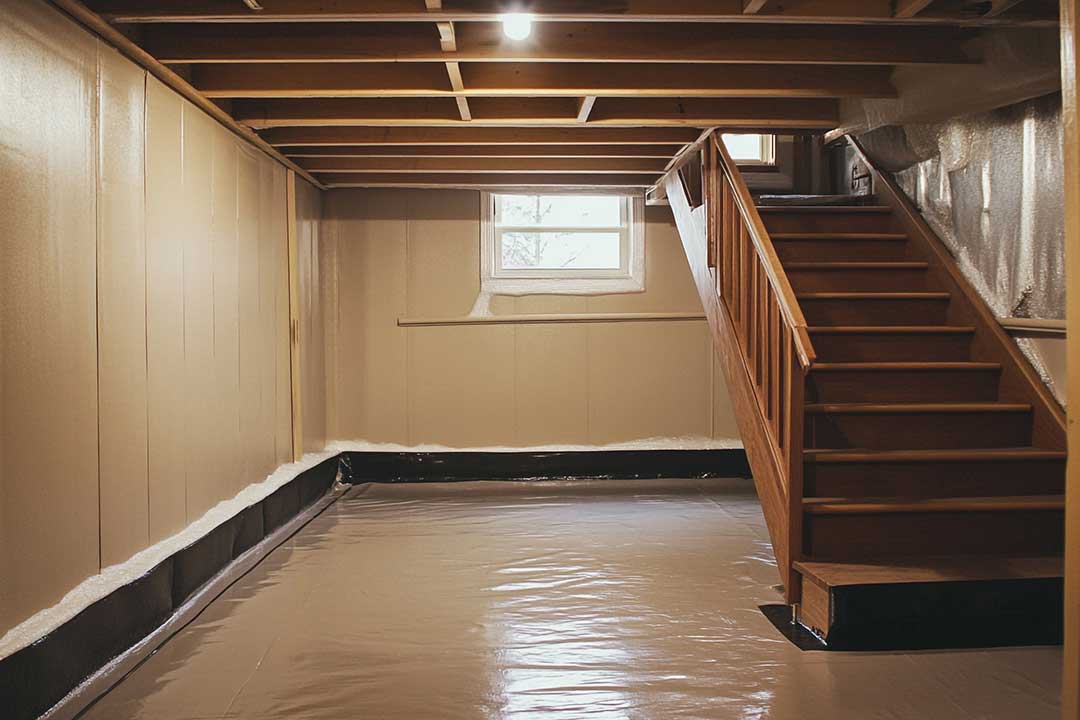
Misconceptions sometimes lead households to treat symptoms, such as running scented deodorizers or using fans, without addressing the root cause related to basement humidity.
How Do Seasonal Changes in Medford Affect Basement Humidity?
Local weather significantly impacts the movement of moisture in and out of basements:
- In spring, thawing snow and increased rain raise groundwater and push more moisture through basement walls and floors.
- During humid Medford summers, outdoor air entering cooler basements condensates rapidly, especially on uninsulated surfaces.
- Fall can be drier, but with decaying leaves and clogged gutters, water can pool and seep alongside foundations.
- Even in winter, if basement windows are drafty or insulation is lacking, warm interior air can carry moisture that condenses on cold surfaces.
Being aware of how weather and seasonal necessities (like closing windows and running heaters) affect basement conditions helps area households respond and prepare proactively.
What Practical Steps Can Local Residents Take to Manage Basement Humidity?
Directly addressing humidity pays off throughout the home. Strategies effective for Medford homes include:
- Installing or maintaining dehumidifiers rated for below-ground use
- Sealing foundation cracks and monitoring for leaks, particularly after major storms
- Improving ventilation—such as using exhaust fans or opening windows when weather permits, but always keeping an eye on outside humidity levels
- Using weather-appropriate window covers or insulation for older basement windows
- Ensuring gutters and downspouts channel water far from the foundation, especially after autumn leaf-fall
Routine household habits—like storing items off the basement floor and keeping humidity-sensitive belongings in upper-story storage—can also help lessen the impact of elevated basement moisture on both possessions and health.
Are There Often-Overlooked Issues or Myths About Basement Humidity?
Some myths persist in the community about managing household moisture. It’s a common misconception that humidity problems are only a risk for homes with visible leaks or only during heavy rain. In reality, even well-sealed and dry-appearing basements can have persistent humidity issues, especially in older Medford housing stock built without modern moisture barriers.
Another overlooked factor: running fans or opening windows to "air out" the basement only works when the outside air is less humid than the basement air. During sticky Medford summers, this can unintentionally make problems worse.
Long-term solutions typically require a combination of moisture control measures adapted to the home’s unique age, structure, and surroundings.